
Even a popular SUV can have issues under the hood, and mechanics know what makes them tick! Here’s a selection of vehicles experts avoid - and why you should consider doing the same.
Cadillac Escalade
With an SUV you expect it to be able to perform under pressure, but the Escalade just doesn’t stand up to that much metaphorical heat. The brakes break and the suspension suspends, but not in the way they should! It’s a luxury vehicle that often fails to deliver the rugged dependability many expect from an SUV in this class. Add in its historically poor reliability scores, high maintenance costs, and electronic glitches, and mechanics say you're better off with almost anything else.
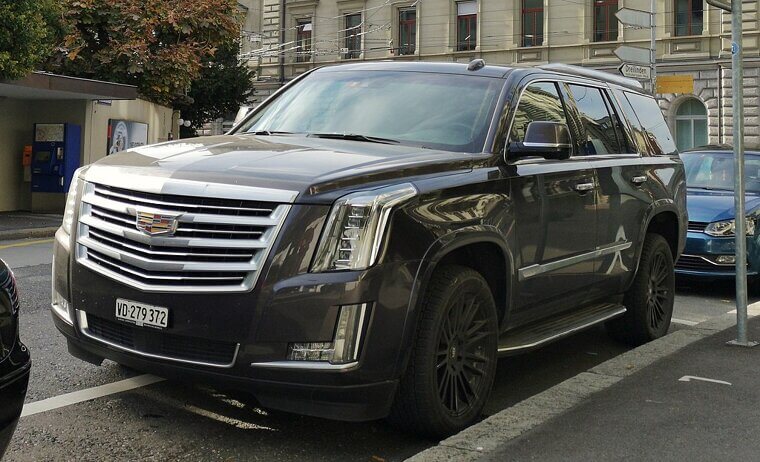
Frequent transmission stumbles and costly air suspension overhauls mean this heavy cruiser spends a lot of time on a lift, draining your wallet rather than delivering a premium, worry free driving experience.
Land Rover Discovery
Land Rover has a reputation for making excellent off-road cars, and the Discovery is certainly no exception. However, it tends to have a lot of little mechanical faults in its electrics, suspension and is prone to oil leaks, so maintaining them is an expensive game. Even simple repairs can spiral into costly undertakings, with parts that are often hard to source and systems that require specialized attention. For mechanics, it's a classic case of high-end performance overshadowed by constant upkeep and frustrating reliability concerns.
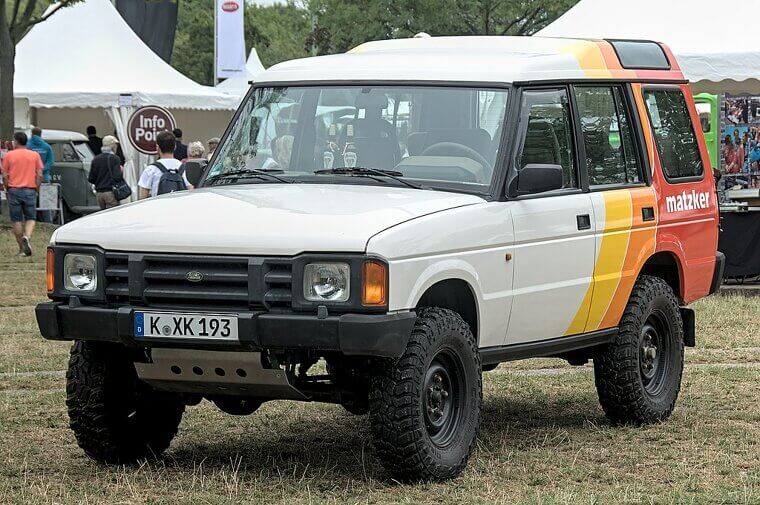
The complex air suspension and intricate electrical networks mean it frequently occupies a service bay, turning what should be a rugged adventure vehicle into a relentless financial burden for unsuspecting owners.
BMW X5
While the BMW X5 has a luxury feel to it, it’s not without faults. To begin with, the transmission’s been known to fail, and its coolant systems are vulnerable to faults, so repairs can cost you an arm and a leg. Add to that the complexity of its engineering, and even routine maintenance often requires specialized tools and expertise. Mechanics frequently caution buyers about long-term ownership costs, citing frequent component failures that turn this luxury ride into a financial burden.
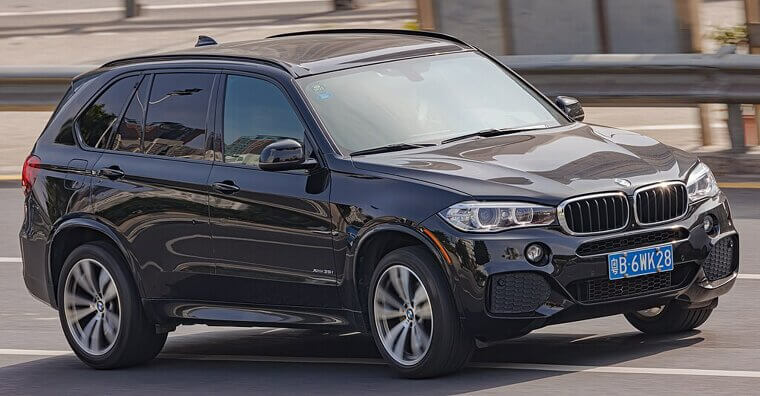
Additionally, electrical glitches in the iDrive system and premature air suspension deflation are incredibly common. When these high-tech features act up, you are looking at substantial labor fees just to diagnose the underlying issues.
Mercedes-Benz G-Class
When you’re driving a Mercedes-Benz you feel like you’ve hit the big time! That comes with its own costs though; the engines and suspension aren’t the most reliable. Considering the very pricey cost of extra parts, it’s often not worth the price of admission. Repairs can be both time-consuming and wallet-draining, especially if you're outside warranty coverage. Many mechanics agree that unless you're deeply committed to the brand, the G-Class offers more prestige than practicality in the long run.
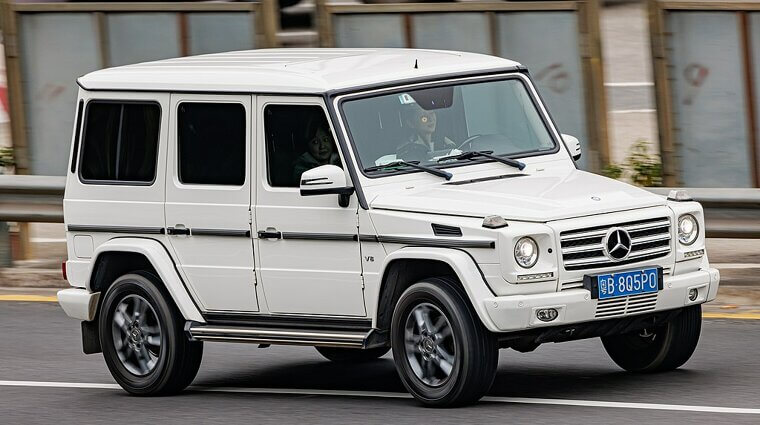
On top of that, electronic glitches frequently mess with the locking differentials, and those complex door lock actuators are notorious for failing early. Fixing these electrical gremlins requires specialized diagnostic software that independent shops rarely have.
Jeep Grand Cherokee (Older Models)
While newer models are much more sturdy, older Jeep Grand Cherokees experienced regular attacks of (thankfully metaphorical) electrical gremlins. They weren’t built to modern standards and their transmission suffers as a result. Owners often found themselves chasing down persistent issues in the wiring, onboard computer systems, and drivetrain, all of which could lead to serious reliability headaches. Mechanics tend to warn buyers that these older models can become money pits, requiring frequent repairs just to stay roadworthy.
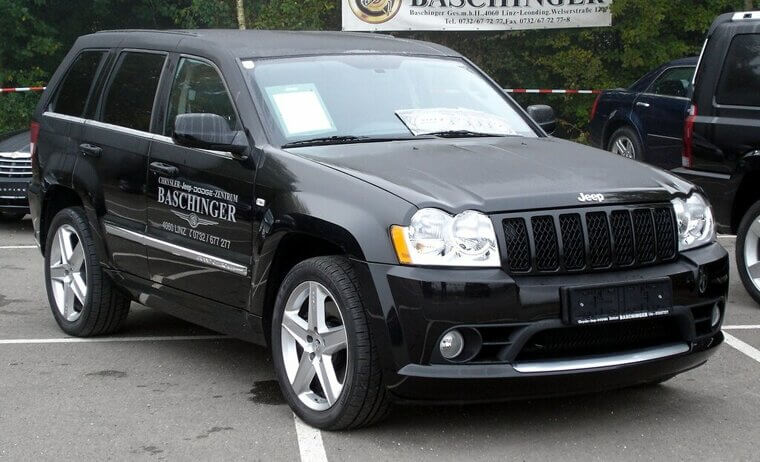
Additionally, the climate control blend doors frequently snap, forcing an incredibly expensive dashboard removal just to restore basic airflow. You also have to contend with premature oil leaks and steering components that tend to degrade far too quickly.
Audi Q7
If even experts avoid the problems with the Audi Q7, maybe reconsider that purchase? Repairing the faults that crop up with oil leaks, its electrical system and suspension can get expensive and complicated—they’re definitely not issues a DIYer can fix. The complexity of the vehicle means even minor problems often require dealership-level diagnostics and tools, quickly driving up costs. For mechanics, it’s a vehicle that demands too much attention for too little payoff, especially once it's out of warranty.

Furthermore, the heavy weight of the SUV accelerates tire and brake wear, meaning you'll replace them much sooner than expected. Water pump failures and timing chain tensioner issues also frequently pop up, threatening catastrophic engine damage if ignored.
Chevrolet Traverse
People in the know will tell you that Chevrolet Traverse models with the 3.6L V6 engines are the worst offenders when it comes to reliability. They tend to suffer from expensive issues, and the transmission faults will likewise empty your wallet. Timing chain problems, coolant leaks, and premature engine wear are just a few of the recurring headaches that plague these models. Mechanics often advise skipping the Traverse altogether, especially if you're looking for something that won't live in the repair shop.
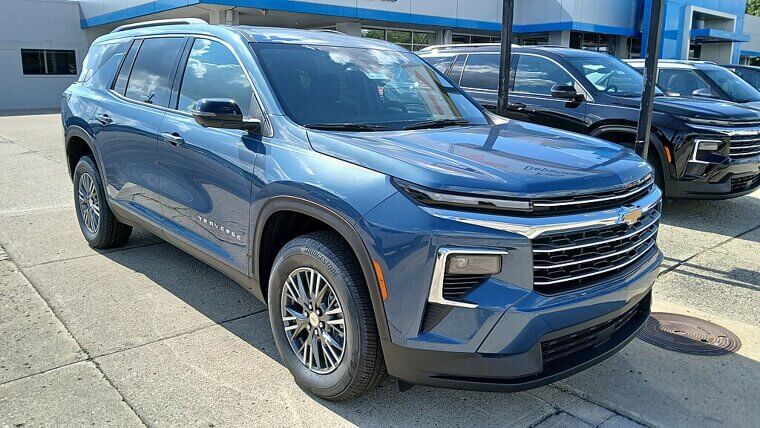
Furthermore, owners frequently deal with power steering pump failures and faulty air conditioning compressors. Electronic issues, particularly with the power liftgate and infotainment system, only add to the frustration and ongoing maintenance costs.
Nissan Pathfinder (2013-2016)
If you’re trying to resell your Nissan Pathfinder from this generation, you might struggle to rehome it for a reasonable price—they’re notorious for their continuously variable transmission (CVT) problems, and those really mount up. Shuddering, slipping, and full-on failures aren’t uncommon, and replacing a CVT can cost thousands. Mechanics know the signs well and typically advise against long-term ownership. Even if the rest of the vehicle is in great shape, that one component can turn the whole investment into a regret.
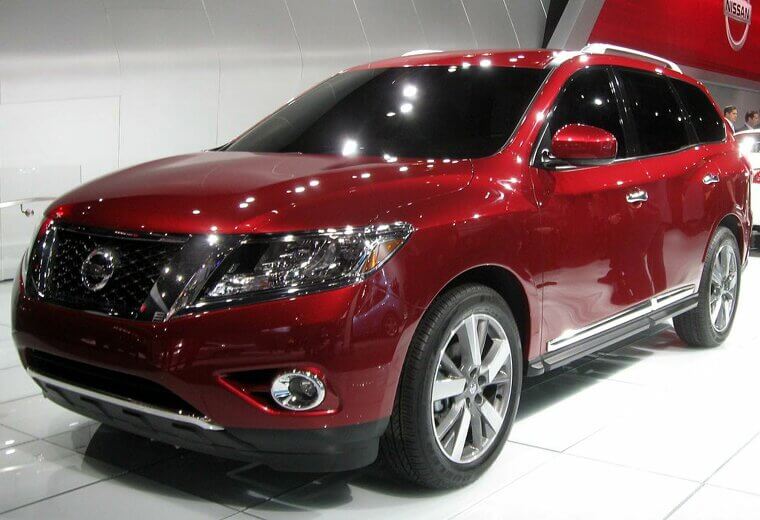
Beyond the transmission woes, this era of Pathfinder also struggles with faulty cooling fan motors that lead to engine overheating. You might also encounter broken interior door handles and finicky electrical sensors that trigger random warning lights.
Ford Explorer (2011-2019)
Ford are generally solid manufacturers, but everyone has their faults—in Ford’s case, it’s the 2011–2019 model Explorer. It has numerous issues—the door latches fail, the transmission gives up, and the cooling systems break down—and they often need repairing multiple times. These recurring problems have frustrated both owners and mechanics alike, who are all too familiar with the time and money required to keep them running. Given the frequency and severity of the issues, many in the industry suggest steering clear entirely.
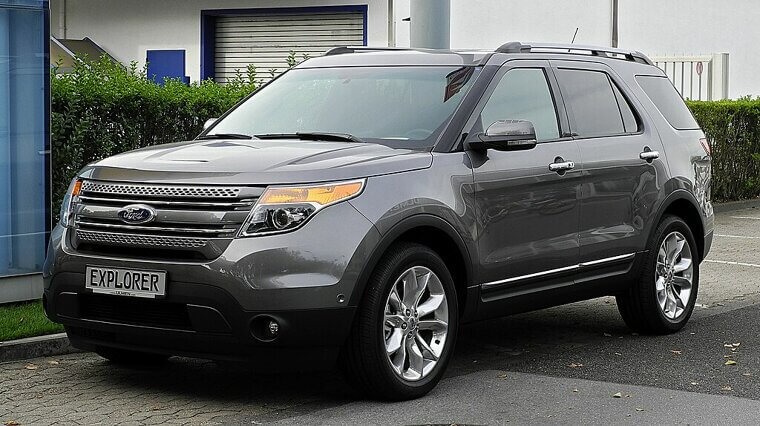
To make matters worse, the internal water pump on the V6 engines is notoriously difficult to access. When it fails, it can leak coolant directly into the oil, potentially destroying the entire engine without warning.
Dodge Durango
There seem to be recurring obstacles in vehicle engineering that some manufacturers just can’t seem to avoid… not even the Dodge Durango! Transmission problems are one of the culprits, and the cooling systems are also on the list. It’s also prone to electrical glitches. These aren’t isolated incidents—many owners report experiencing the same costly failures again and again, even with relatively low mileage. Mechanics often flag the Durango as a model that demands too much upkeep for what it offers in return.
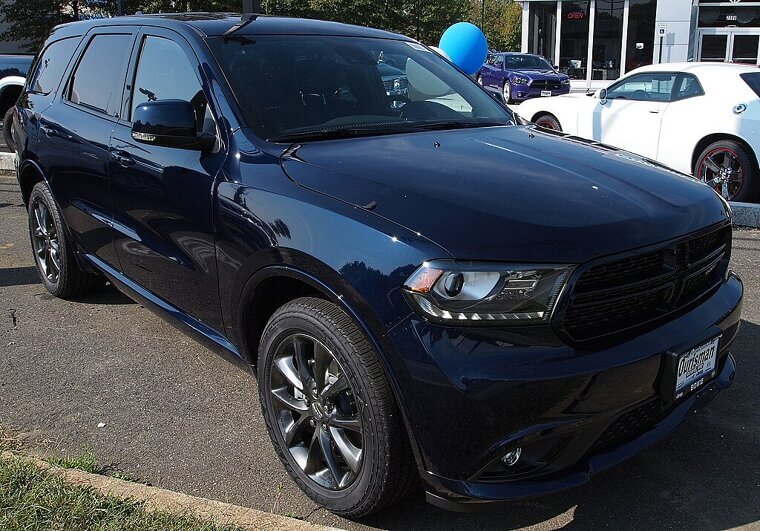
On top of that, the exhaust manifold bolts are notorious for snapping on Hemi-equipped models, leading to annoying ticking noises. You might also find yourself dealing with a faulty TIPM that causes erratic headlight or wiper behavior.
Toyota Highlander (2008-2013)
Toyota’s a powerhouse in reliability and vehicle stability, but even they slip up sometimes. This generation’s Highlander is a prime example that might have you losing your head. The transmission and suspension are the main problems, but its power steering isn’t immortal, either. Owners have reported clunky shifting, uneven handling, and early wear on key components that are expensive to replace. While it’s not the worst SUV on the road, mechanics agree it’s not the bulletproof Toyota people expect from the brand.
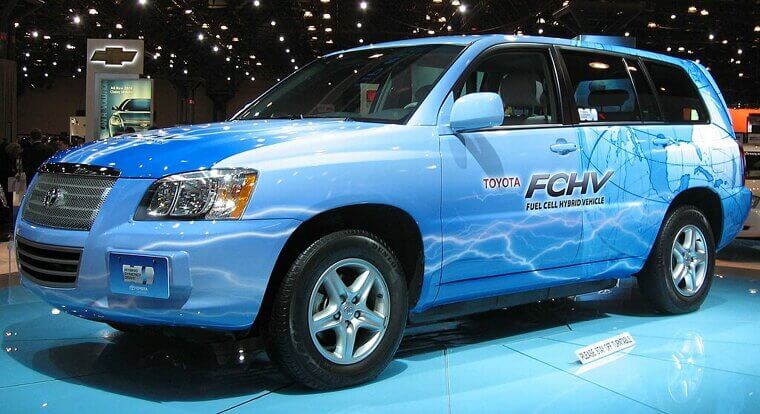
In fact, many mechanics frequently encounter a notorious rubber VVT-i oil line leak that can drain the engine of oil within minutes. Additionally, a clunking noise in the intermediate steering shaft is a widespread nuisance.
Volkswagen Touareg
Mechanics avoid Volkswagen’s Touareg SUV because of the sheer costs that mount in its repairs. The fuel system, the air suspension, the timing chain tensioner… all are points of contention that make the Touareg more expensive than it has to be. Even minor repairs often require specialized labor and hard-to-source parts, driving up service costs quickly and consistently. It’s a vehicle that might look sleek and perform well—when it works—but it rarely justifies the maintenance bills in the eyes of experienced pros.
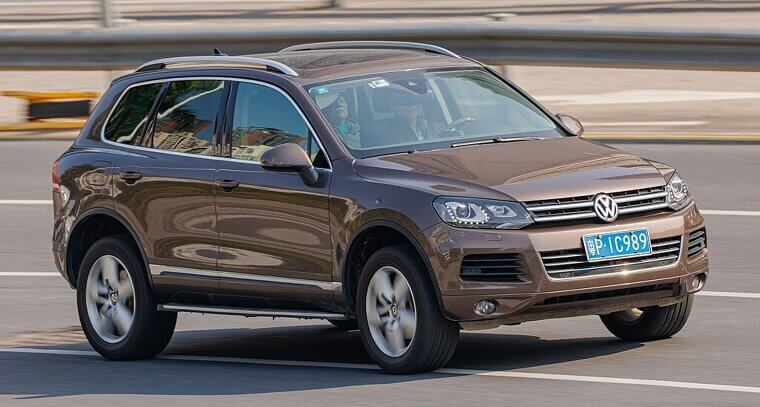
Additionally, electronic glitches in the navigation and climate controls are notoriously difficult to track down. You might also encounter premature tire and brake wear due to the vehicle's massive weight, further increasing your annual operating expenses.
Hyundai Santa Fe (2007-2012)
The 2007–2012 Santa Fe comes reasonably priced, so it’s an understandably tempting buy. However, some of the models experience very expensive problems, negating the earlier cash save. Its engines—the 2.7L V6 in particular—are prone to pricey failures. Common issues include oil leaks, timing chain problems, and engine knock that can lead to full replacements. Mechanics often point out that while it seems like a good deal up front, ownership costs can creep up quickly and turn into a financial headache.
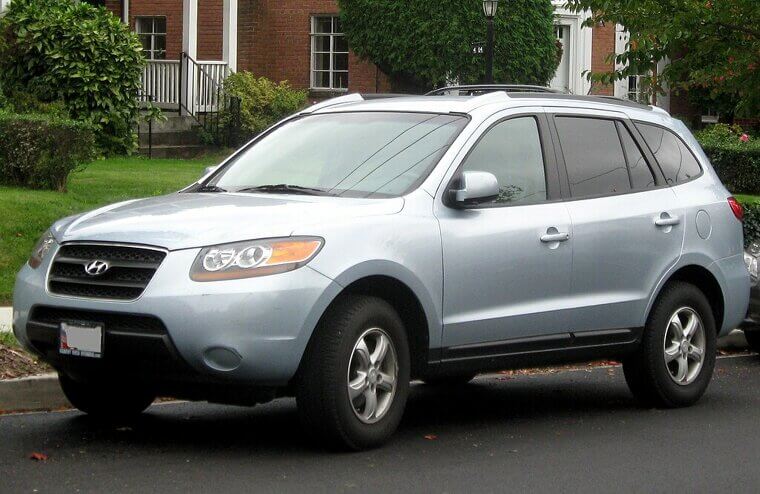
Furthermore, a leaking valve cover gasket frequently drips oil directly onto the alternator, causing it to fail prematurely. You might also encounter faulty fuel level sensors that give completely inaccurate readings on your dashboard gas gauge.
Mitsubishi Outlander
If it wasn’t enough that the Outlander’s parts cost so much to replace, there are issues with this SUV’s transmission, and its engine has frequent stalling problems. It’s not just the engineering though—the frames tend to rust, too. These aren’t minor annoyances; they can lead to expensive, recurring repairs that quickly outweigh the initial savings. Owners often report early signs of wear and corrosion. Mechanics agree that despite its budget-friendly appeal, the Outlander often ends up being more trouble than it’s worth over time.
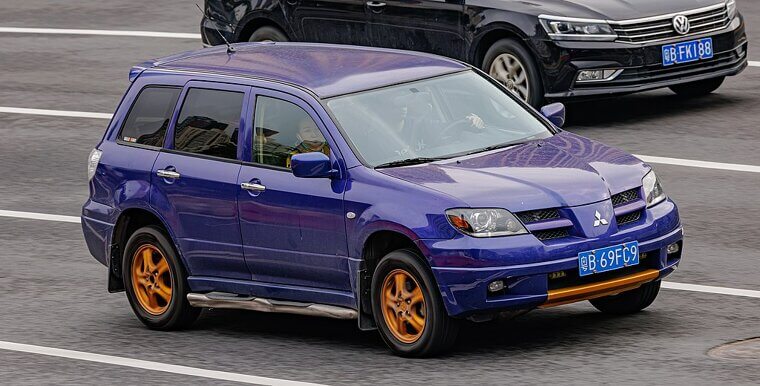
Additionally, many drivers experience premature brake caliper failure and faulty AC compressors that quit unexpectedly. These electrical and HVAC system failures add another layer of frustration to an already high-maintenance vehicle.
Lexus RX (2007-2015)
Unfortunately, the Lexus RX from this generation just hit mechanical roadblocks—and it might feel literal when the steering problems develop! Its air suspension is another element that doesn’t live up to the Lexus standard, often encountering problems that need expensive fixes. These issues undermine the brand’s reputation for reliability and make repairs more frequent than expected. Even seasoned owners are surprised by the high upkeep. Mechanics often note that luxury doesn’t always equal durability, and in this case, it definitely doesn’t equal low cost.
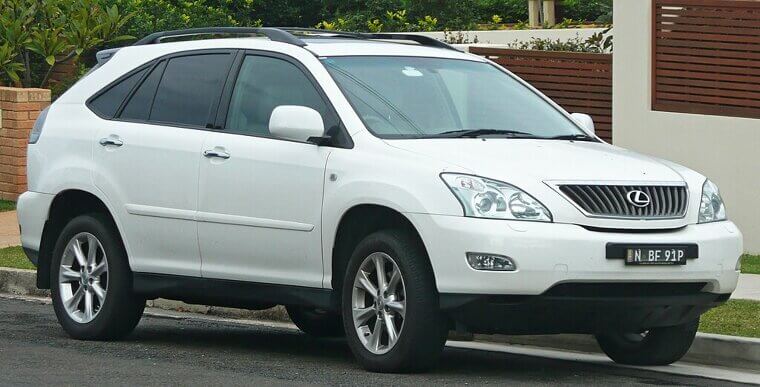
To add to the trouble, massive oil leaks from the variable valve timing system can endanger the engine. You also have to watch out for premature radiator leaks that cause sudden overheating.
Range Rover Evoque
There’s no doubt that the Evoque is a stunning SUV. However, every rose has its thorns, and this one has a garden of them! Its problems might stem from its oil leaks, or its electrical systems failures, or even faults in the turbocharger. These aren’t rare flukes—many owners and mechanics report a laundry list of expensive and recurring issues. It may win in the looks department, but under the hood, the Evoque is often a nightmare that’s best admired from afar. Additionally, the nine-speed automatic transmission is notorious for harsh shifting and sudden gear slips.
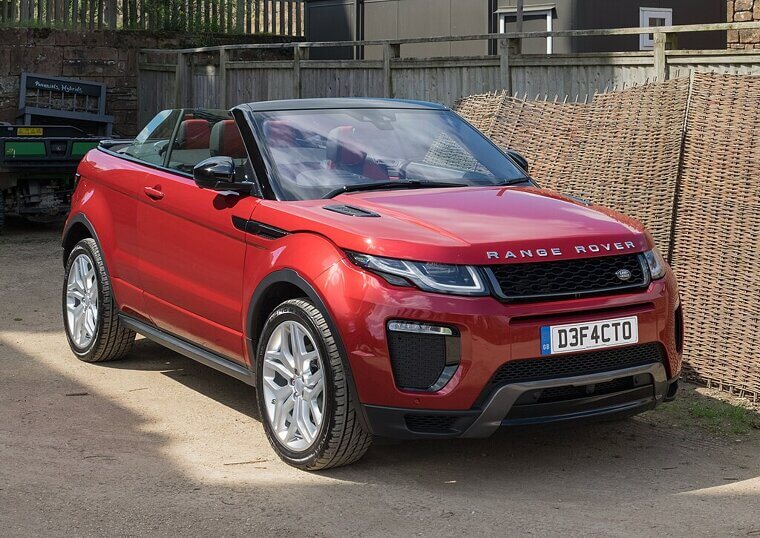
You also have to worry about premature suspension wear and timing chain stretches, which can cause catastrophic internal engine damage if left unchecked.
Infiniti QX60
As much as the Infiniti QX60 wants your affection, it’s hard to forgive its transgressions. The main problem is its consistently failing CVT transmission, but drivers might experience steering rack failures too, which makes it particularly high maintenance. These issues often occur sooner than expected, leaving owners frustrated and footing hefty repair bills far too early in the vehicle’s life. Mechanics frequently caution buyers, noting that despite its upscale styling, the QX60 doesn’t offer the reliability or longevity its price suggests.
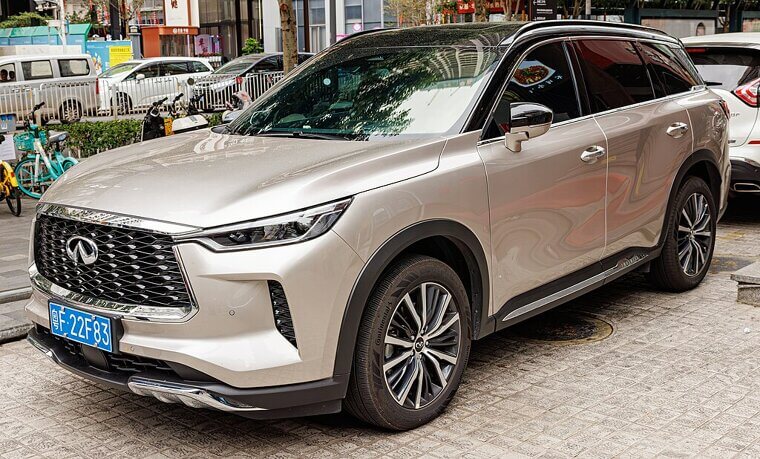
On top of that, owners often battle glitchy infotainment screens and finicky blind-spot sensors that trigger randomly. Faulty cooling fan motors are also a known headache, occasionally leading to unexpected engine overheating during long commutes.
Chrysler Pacifica (2017-2020)
The Pacifica’s problems are like the vast ocean. Deep and bottomless. Ok, they’re not quite that bad, but apparently the electrical system doesn’t like being associated with water—even by name—and shorts out. You can’t rely on the transmission, either. These issues can start surprisingly early in ownership, and they're not just minor glitches. Mechanics often deal with recurring complaints, from random shutdowns to jerky shifting. That makes this minivan more unpredictable and expensive to maintain than many families can reasonably afford.
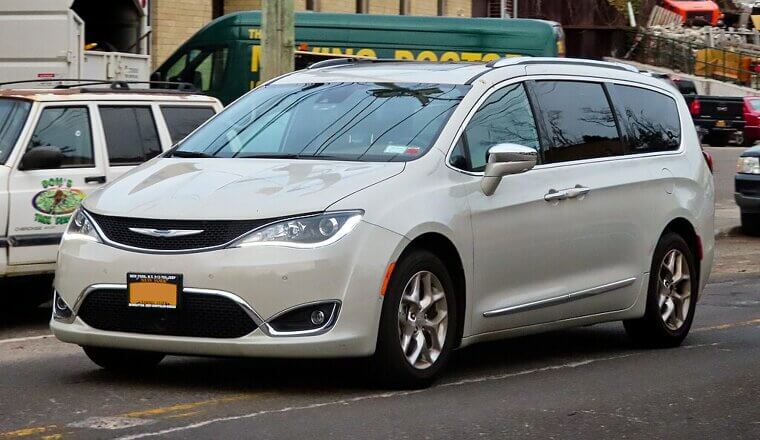
Additionally, the power sliding doors frequently malfunction, refusing to close or opening unexpectedly on their own. You might also encounter frozen infotainment screens and prematurely worn suspension components that compromise the vehicle's smooth ride.
Subaru Outback (2005-2009)
With a name like Outback, you’d expect a sturdy and rugged piece of kit that can weather storms. Sadly, this model’s not built to last. The transmission has faults and it’s notorious for its head gasket leaks. The subframe rusts, too. These aren’t just isolated issues—many mechanics see the same problems over and over again in this generation. Even loyal Subaru fans admit this model fell short, and mechanics often recommend skipping it in favor of more dependable alternatives.
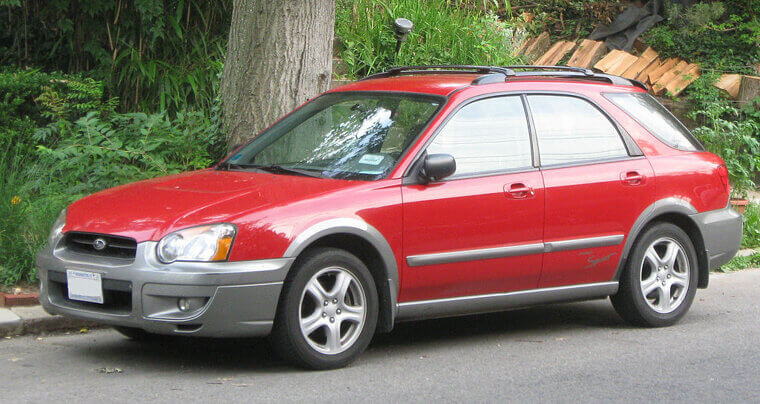
On top of that, the catalytic converters tend to fail prematurely, triggering a permanent check engine light. You might also deal with ghostwalking, a terrifying phenomenon where the rear suspension loses traction on slippery roads.
Jeep Wrangler (2012-2018)
The 2012–2018 Jeep Wrangler has its fans—particularly in the off-road crowd—yet there are issues that could stop it running entirely. Transfer case failures are the most frequent culprits, while the transmission sometimes overheats. These problems can strike at inconvenient times, especially when the vehicle is being pushed in rough conditions. Repair costs aren’t cheap, either, and parts aren’t always readily available. Mechanics warn that while the Wrangler may conquer trails, it often stumbles when it comes to long-term reliability and durability.
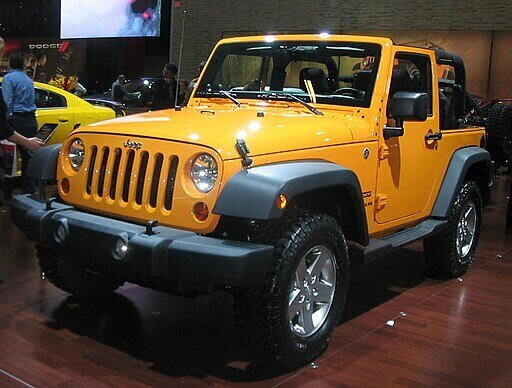
Furthermore, the 3.6-liter engine frequently suffers from a cracked plastic oil filter housing, which triggers messy fluid leaks. Many drivers also report the dreaded steering wheel vibration, a frustrating issue that requires replacing worn suspension linkages.
Kia Sorento (2011-2013)
While you should be maintaining your vehicle’s engines regularly anyway, some models need it more than others. The Sorento is one of the former, and if you have a vehicle with a 2.4L 4-cylinder engine, it might give up the ghost entirely. Engine seizing, excessive oil consumption, and ticking noises are all red flags that show up far too soon. Mechanics often point out that these engine issues aren't just inconvenient—they're costly, and can render the SUV practically worthless without major repairs.
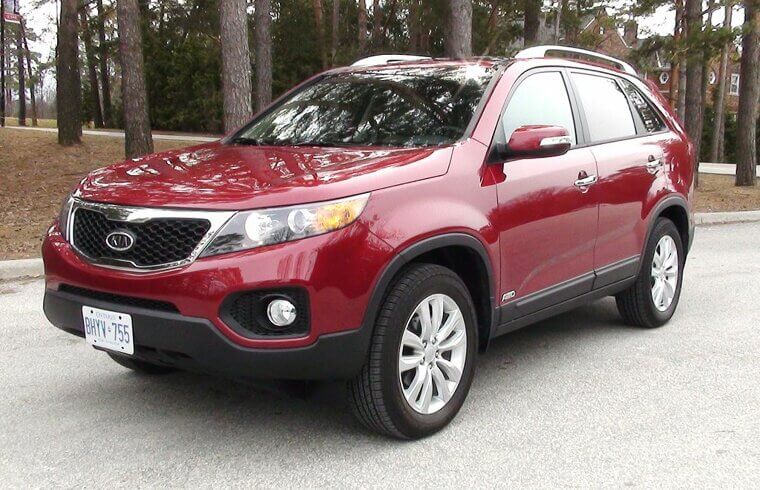
In addition to the powertrain headaches, this generation frequently suffers from electrical glitches, such as malfunctioning door locks and failing headlights. Drivers also report premature wear on suspension components, which compromises ride comfort.
Ford Edge (2010-2014)
The Ford Edge 2010–2014 models sure are edgy, and not in a good way! They suffer from a plethora of transmission problems—from gear slipping and cooling issues to severe shifting. If that doesn’t keep you on edge, nothing will. These recurring problems not only affect drivability but can also lead to major breakdowns if left unchecked. Mechanics frequently deal with frustrated owners facing high repair bills, and many recommend looking elsewhere if you want a midsize SUV with real staying power.
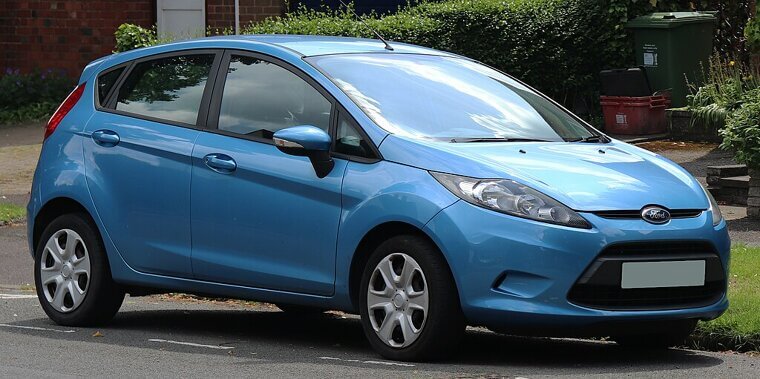
To make matters worse, AWD models often face premature failure of the power transfer unit, which leaks fluid and burns out. You also have to watch out for faulty brake boosters that suddenly make stopping incredibly difficult.
Toyota 4Runner (2003-2009)
If you’re buying an older model 4Runner, you might be looking to save costs—alas, the 2003–2009 models will have you heading for the hills. Their suspension is super unreliable and prone to wear, while the frame faces rust issues. These problems are well-documented, and they can seriously compromise the vehicle’s safety and handling. Mechanics frequently advise caution, noting that repairs to the suspension and rusted frame can be extensive, and might outweigh the value of the SUV entirely.
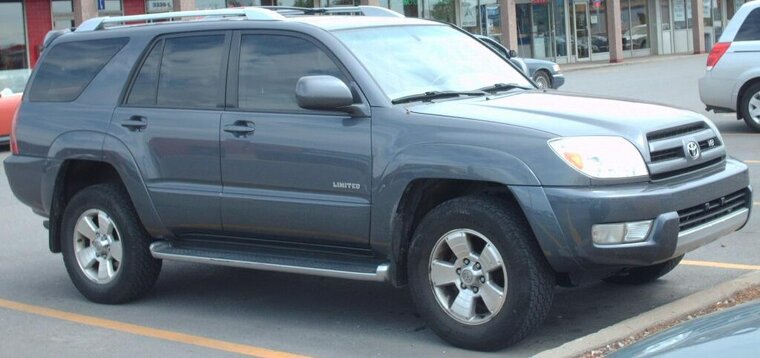
Additionally, the 4.0-liter V6 engines from the earlier years of this generation are notorious for blowing head gaskets. You also have to watch out for frozen front brake calipers and melted or severely cracked dashboards.
Nissan Murano (2009-2014)
The poor Nissan Murano suffers from chronic issues that pop up so frequently that its “medical bills” will leave you feeling sick. The most prevalent problems are the CVT transmission failures and engine oil burning. These aren’t just occasional glitches—they’re consistent and costly headaches that affect a large number of owners. The CVT, in particular, tends to wear out far too early. Mechanics often view this generation as more of a liability than a reliable ride, especially once it’s out of warranty.
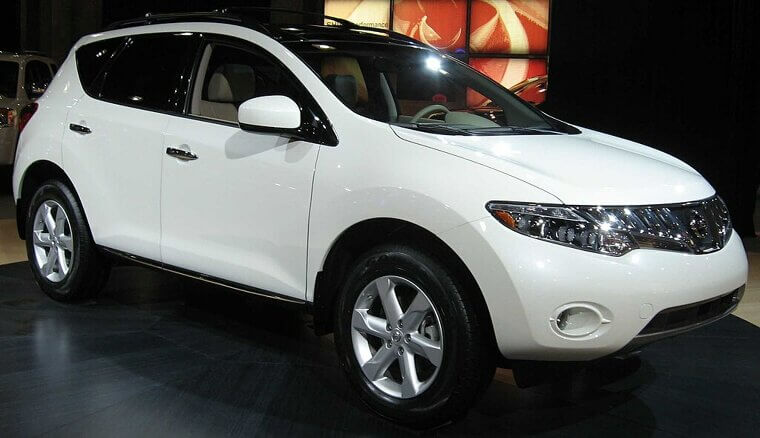
Furthermore, alternator failures are highly common and very difficult to access in the cramped engine bay. Drivers also frequently report broken power seat adjusters and leaking power steering lines that require immediate repair.
Audi Q5
The Audi Q5 is designed as a luxury SUV, though you need the luxury of a burgeoning bank account to make the most of it. It’s plagued by failures in its electrical systems and suspension. And then there are the oil leaks! These issues tend to surface well before the odometer hits six figures, and fixing them often requires specialized tools and pricey parts. Mechanics warn that behind the premium badge lies a frustrating ownership experience that rarely justifies the high repair costs.
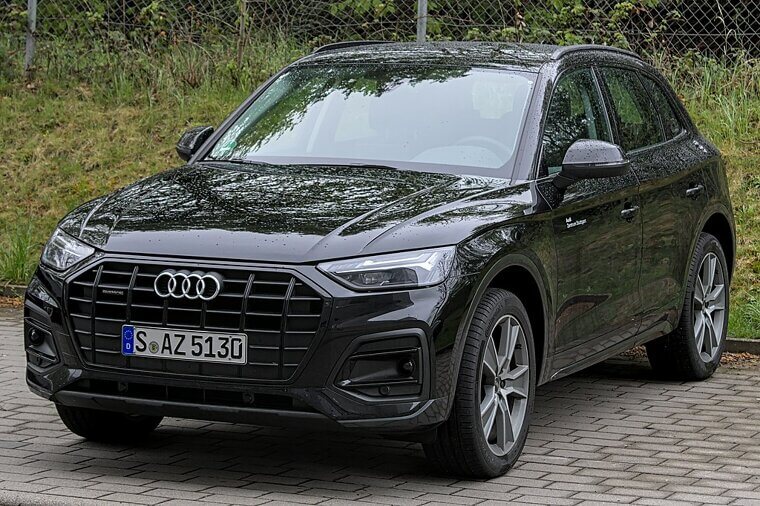
Additionally, carbon buildup on the intake valves frequently chokes performance, requiring expensive walnut blasting services. Water pump and thermostat housing leaks are another chronic headache that mechanics often see on these models.
Ford Flex
Because the Ford Flex is a family SUV, it should have reliability, but that’s one area it doesn’t flex in. In fact, it’s quite rigid in its weakness, with transmission troubles, the occasional engine stall, and braking concerns. These recurring issues make it a headache for mechanics and owners alike, especially when safety is a top priority for families. Despite its spacious interior and quirky charm, the Flex often falls short in long-term durability—making it a tough sell for cautious buyers.
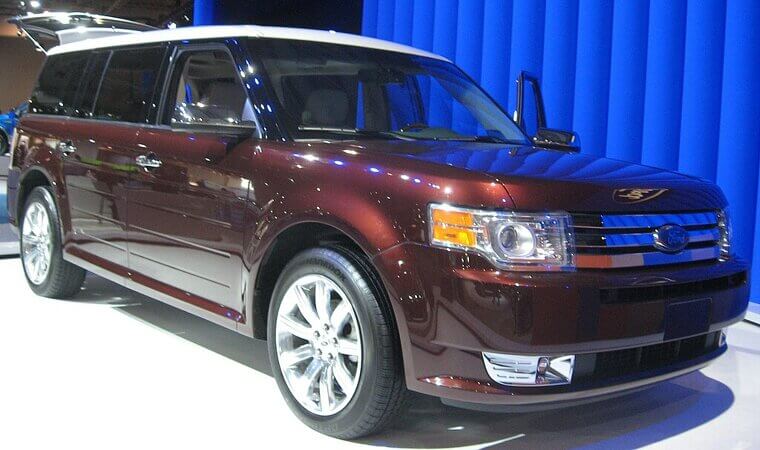
Furthermore, models equipped with all-wheel drive frequently experience power transfer unit failures. You also have to watch out for the internal water pump on the V6 engine, which can leak and completely destroy the engine.
BMW X3 (2004-2010)
The BMW X3 2004–2010 models suffer from the typical electrical gremlins many cars share, though in the case of this model they can be super expensive. When you add in the cooling system repairs and the timing chain tensioner fixes, it’s a lot to pay out for. These aren’t just wear-and-tear issues—they often show up earlier than expected and require high-end labor. Mechanics frequently note that while the X3 looks like a smart entry into BMW ownership, the upkeep is anything but affordable.
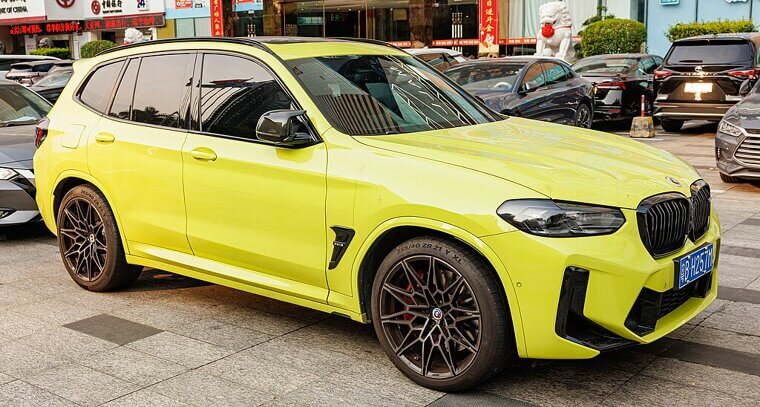
To make matters worse, the panoramic sunroof mechanism is notorious for jamming or leaking during heavy rain. You'll also likely encounter oil leaks from the valve cover gasket, which can drip onto hot exhaust components.
Honda Pilot (2003-2008)
In a rare showing of poor quality from Honda, the Pilot is more grounded than soaring. The earlier models didn’t have the finesse of the new ones, and it shows with these models—their transmission and V6 engines are the main source of malfunctions. Issues like rough shifting, torque converter failures, and early engine wear are common complaints that mechanics hear all too often. For a brand known for reliability, this generation is an unfortunate outlier that often leads to costly, repeated repairs.
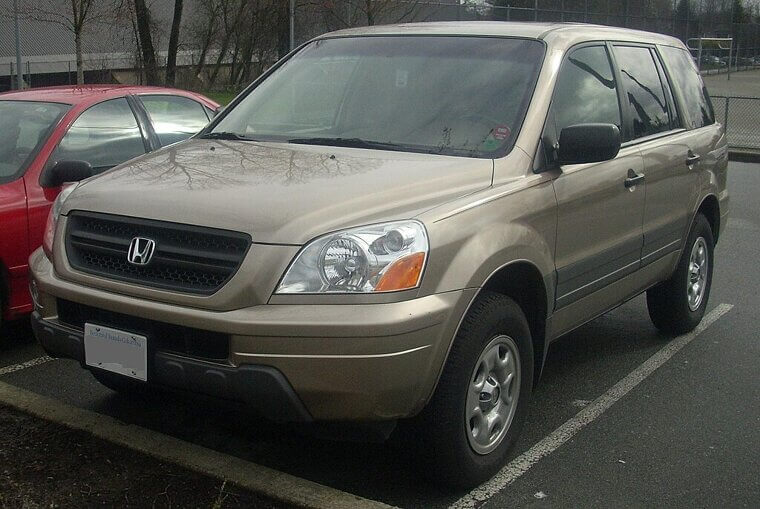
Additionally, many owners face frequent front suspension problems, particularly with cracked compliance bushings that cause clunking noises. Defective climate control modules and leaking power steering pumps also regularly keep these SUVs in service bays.
Chevrolet Suburban (2007-2014)
While most sturdy vehicles are quite reliable, the Suburban is actually the opposite. It has the power for hauling, but it might not be able to do so for extended periods on account of its unpredictable transmission faults and weak brakes. It guzzles gas, too. Owners often find themselves stuck with high maintenance bills and poor fuel economy, making it a tough choice for long hauls. Mechanics frequently point out that despite its size and utility, long-term ownership is far from budget-friendly or stress-free.
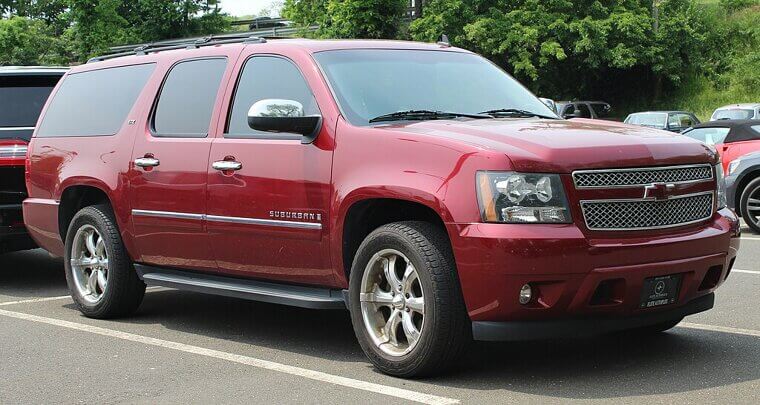
Furthermore, models with the 5.3L V8 engine often suffer from severe oil consumption due to Active Fuel Management flaws. It's also common to see cracked dashboards and failing power door lock actuators.
GMC Acadia (2007-2012)
The GMC Acadia has a bit of a reputation when it comes to its transmission faults, but it doesn’t stop there. Mechanics avoid it because of its power steering issues and the fact the fuel system is prone to fail, all of which are expensive fixes. These aren’t just occasional inconveniences—they often happen together, creating a snowball of repair costs. Many professionals caution against buying this generation, as the frequent mechanical problems can drain both your patience and your bank account.
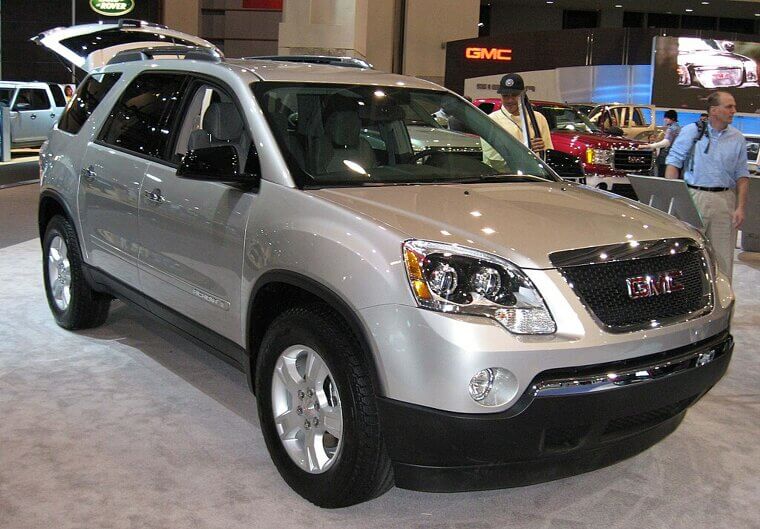
Furthermore, the 3.6-liter V6 engine is notorious for stretched timing chains, which can lead to catastrophic engine failure if ignored. Owners also frequently battle severe water leaks from the sunroof that ruin the vehicle's interior electronics.
Jeep Cherokee (2014-2019)
Just like its cousin, the Jeep Grand Cherokee, the Jeep Cherokee has some problems that make it less appealing to those in the know. The 9-speed transmission is among them, which is vulnerable to gear-shift faults, and both its electricals and engine have frequent breakdowns. These issues can crop up early in the vehicle’s life and are notoriously hard to fix without dealership intervention. Mechanics often say the Cherokee demands too much in upkeep, making it a frustrating ride for owners expecting Jeep-level dependability.
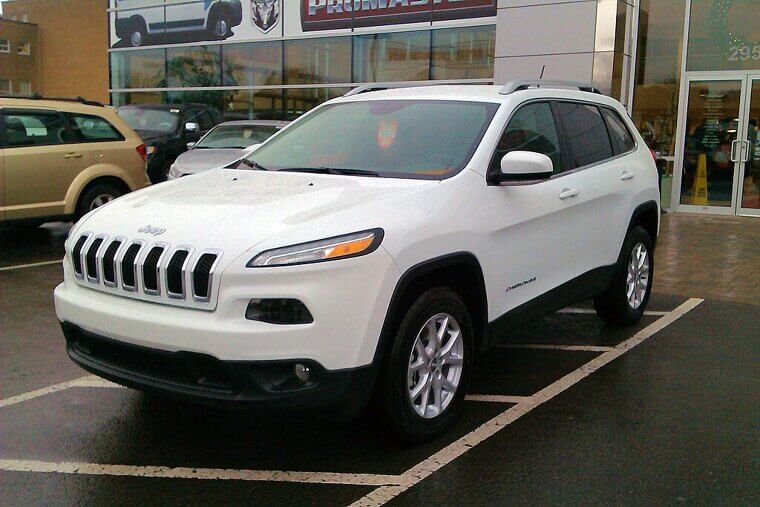
Additionally, the 2.4-liter engine is notorious for burning excessive amounts of oil, which can cause sudden stalling. Drivers also frequently report that the electronic parking brake can engage unexpectedly while driving.
Mitsubishi Montero
When it comes to off-roaders, the Mitsubishi Montero might have more problems than it’s worth. Despite its intentional role as a dependable drive, it doesn’t make a good long-term option because its faulty electricals and transmissions keep it off the road… in a bad way. Owners often report recurring system failures, from sensors to shifting issues, that make reliability a serious concern. Mechanics frequently suggest passing on the Montero, especially for drivers who need an SUV that can actually handle the rough stuff.

To make matters worse, the hydraulic brake booster system is notorious for failing unexpectedly, which drastically reduces braking power. You also have to watch out for severe engine oil leaks from the valve cover seals.
Chrysler 300C AWD
As a luxury brand, a Chrysler is usually a badge of honor for drivers, but the 300C AWD doesn’t live up to the expectations. Where it should purr, the engines can stall and the transmission lets it down. These issues often appear without much warning, leaving drivers stranded and footing hefty repair bills. The all-wheel-drive system also tends to complicate maintenance. Mechanics often say this model falls short of the premium promise, especially when reliability and longevity are part of the equation.
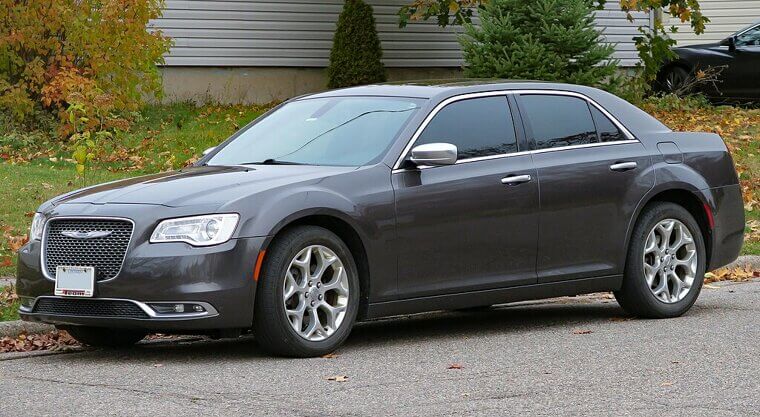
On top of that, the front suspension components, like control arms and tie rods, wear out prematurely and cause loud clunking noises. Faulty alternators are another frequent headache that can trigger sudden electrical failures.
Nissan Xterra
The older models of the Nissan Xterra look the part with their stocky, solid frames, but those same frames are actually prone to rust. It has troubles under the hood too; its transmission doesn’t do the job and the engine is prone to oil leaks. These mechanical issues can show up early and worsen quickly, especially with off-road use. Mechanics often warn that while it may seem like a rugged choice, the Xterra’s longevity and reliability leave much to be desired.
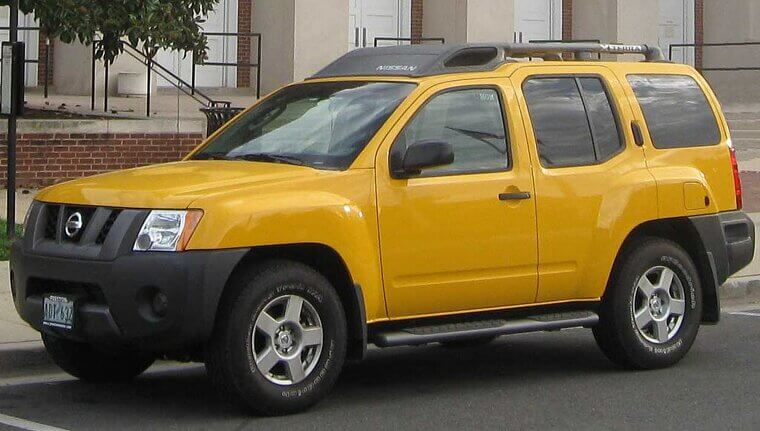
Furthermore, the notorious "strawberry milkshake of death" radiator leak can mix coolant with transmission fluid, completely destroying the gearbox. Drivers also frequently deal with failing timing chain guides that create a loud, concerning whining noise.
Toyota Sequoia (2001-2007)
The Toyota Sequoia is a strange one. It’s a reliable piece of kit in general, but the 2001–2007 models suffered from some faults that flip that reputation on its head. The brakes are a particular problem, as is the front suspension. These issues tend to appear sooner than expected and can lead to compromised handling and stopping power. Mechanics often point out that while the Sequoia name carries weight, this early generation falls short of Toyota’s typically high standards for durability.
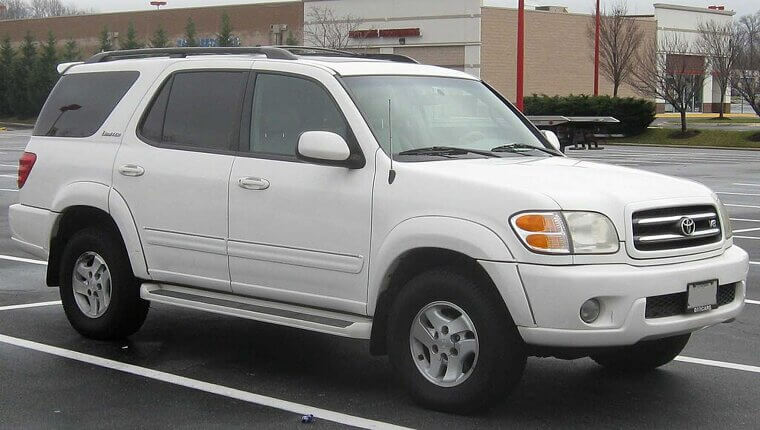
Furthermore, severe frame rust issues prompted major recalls for earlier model years. Owners also frequently battle glitches in the Vehicle Stability Control system and a notoriously fragile rear tailgate handle that snaps off easily.